
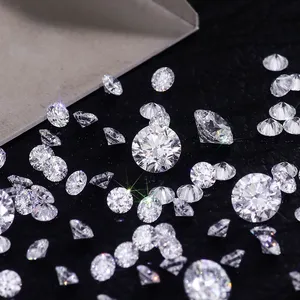
Understanding Lab Grown Diamonds Wholesale Market
The global jewelry industry has seen a major shift with the rise of lab grown diamonds wholesale, transforming how retailers, jewelers, and online sellers source diamonds. Unlike mined diamonds, lab grown diamonds are created using advanced technological processes that replicate natural conditions. This allows them to share the same physical, chemical, and optical properties as natural diamonds while being significantly more affordable and sustainable.
The demand for lab grown diamonds wholesale has increased rapidly because buyers are looking for ethical sourcing, consistent quality, and better profit margins. Retailers benefit from lower acquisition costs, while consumers enjoy more affordable luxury. This balance has made the wholesale segment one of the fastest-growing areas in the diamond industry.
How Lab Grown Diamonds Wholesale Pricing Works
Pricing in the lab grown diamonds wholesale market is influenced by several key factors, including production method, carat weight, cut quality, color grade, and clarity. Unlike natural diamonds, which are heavily influenced by rarity, lab diamonds are priced more consistently because they are produced in controlled environments.
One of the biggest advantages of lab grown diamonds wholesale is the cost structure. Typically, wholesale prices can be 30% to 70% lower than mined diamonds of similar quality. This allows wholesalers and retailers to maintain competitive pricing while achieving higher profit margins.
Another factor affecting lab grown diamonds wholesale pricing is certification. Diamonds graded by reputable institutions such as IGI or GIA often command slightly higher wholesale prices due to verified quality assurance. Additionally, market demand fluctuations and technological improvements in production can also influence pricing trends.
Quality Standards in Lab Grown Diamonds Wholesale
Quality plays a critical role in the lab grown diamonds wholesale industry. Buyers must evaluate diamonds based on the same “4Cs” used in natural diamonds: cut, color, clarity, and carat weight.
Cut quality is especially important because it determines how well the diamond reflects light. A well-cut lab diamond can appear more brilliant and visually appealing than a poorly cut natural diamond. In lab grown diamonds wholesale, premium cuts are often prioritized by retailers targeting high-end customers.
Color grading ranges from colorless to slightly tinted stones. The highest-quality lab grown diamonds wholesale options typically fall within the D–F color range, which is considered colorless and highly desirable.
Clarity refers to internal imperfections. Lab-grown diamonds often have fewer inclusions compared to mined diamonds, making high-clarity options more accessible in the wholesale market. Carat weight, meanwhile, affects both price and visual impact, with larger stones commanding higher wholesale value.
Types of Lab Grown Diamond Production Methods
There are two primary methods used in producing lab grown diamonds wholesale: High Pressure High Temperature (HPHT) and Chemical Vapor Deposition (CVD).
HPHT mimics the natural formation process of diamonds deep within the Earth. This method is commonly used to create high-quality stones with strong structural integrity.
CVD, on the other hand, grows diamonds layer by layer using carbon-rich gases. This method allows for more precise control over clarity and size, making it highly popular among lab grown diamonds wholesale suppliers.
Each method has its own advantages, and wholesalers often choose suppliers based on the consistency, scalability, and quality output of these processes.
Buying Strategies for Lab Grown Diamonds Wholesale
Successful purchasing in the lab grown diamonds wholesale market requires strategic planning. One of the most important steps is selecting a reliable supplier. Buyers should always verify certifications, production methods, and customer reviews before making bulk purchases.
Another effective strategy is to compare multiple lab grown diamonds wholesale vendors to understand market pricing trends. Since prices can vary depending on supplier relationships and production capacity, comparison helps ensure better deals and higher margins.
Bulk purchasing is also a key strategy. Many wholesalers offer significant discounts for larger orders, making it more cost-effective for retailers to stock inventory. However, buyers should balance quantity with demand to avoid overstocking.
Establishing long-term partnerships with lab grown diamonds wholesale suppliers can also lead to better pricing, priority access to premium stones, and customized orders tailored to specific market needs.
Market Trends Driving Lab Grown Diamonds Wholesale Growth
The lab grown diamonds wholesale market is expanding due to shifting consumer preferences and technological advancements. Modern consumers are increasingly aware of ethical sourcing issues associated with mined diamonds, leading them to prefer lab-created alternatives.
Sustainability is another major driver. Lab grown diamonds require fewer natural resources and have a lower environmental impact, making them attractive to eco-conscious buyers. As a result, lab grown diamonds wholesale suppliers are experiencing rising global demand.
Additionally, advancements in production technology have significantly improved the quality and size of lab diamonds, allowing wholesalers to offer more diverse product ranges. This has further strengthened the position of lab grown diamonds wholesale in the global jewelry supply chain.
Advantages of Investing in Lab Grown Diamonds Wholesale
Investing in lab grown diamonds wholesale offers several advantages for businesses. The most significant benefit is higher profit margins due to lower acquisition costs. Retailers can price products competitively while still maintaining strong profitability.
Another advantage is inventory flexibility. Because lab grown diamonds wholesale suppliers can produce stones on demand, buyers have access to consistent stock availability without relying on natural mining cycles.
Customization is also a major benefit. Many lab grown diamonds wholesale manufacturers offer tailored cuts, sizes, and quality specifications, allowing retailers to meet specific customer demands more effectively.
Challenges in the Lab Grown Diamonds Wholesale Industry
Despite its advantages, the lab grown diamonds wholesale market also faces challenges. One major issue is price fluctuation due to increasing competition among manufacturers. As more suppliers enter the market, prices may continue to decrease, affecting long-term profit margins.
Another challenge is market perception. Some consumers still perceive lab-grown diamonds as less valuable than natural diamonds, even though they are chemically identical. This perception gap can influence retail pricing strategies in the lab grown diamonds wholesale sector.
Additionally, ensuring consistent quality across suppliers can be difficult. Buyers must carefully vet each lab grown diamonds wholesale provider to avoid variations in grading standards or certification inconsistencies.
Future Outlook of Lab Grown Diamonds Wholesale
The future of lab grown diamonds wholesale looks highly promising. As technology continues to improve, production costs are expected to decrease further, making diamonds more accessible to a broader audience.
The jewelry industry is also becoming more transparent, which benefits lab grown diamonds wholesale suppliers. With growing consumer awareness, demand for ethically sourced and environmentally friendly diamonds is expected to rise steadily.
Experts predict that lab grown diamonds wholesale will continue to capture a larger share of the global diamond market, especially in engagement rings, fashion jewelry, and luxury accessories.
Conclusion
The lab grown diamonds wholesale industry is reshaping the global diamond market by offering a perfect balance of affordability, quality, and sustainability. From pricing advantages to advanced production methods, it provides significant opportunities for retailers and investors alike.
Understanding quality standards, pricing factors, and effective buying strategies is essential for success in this competitive space. As demand continues to grow, lab grown diamonds wholesale will remain a key driver of innovation and transformation in the jewelry industry.