
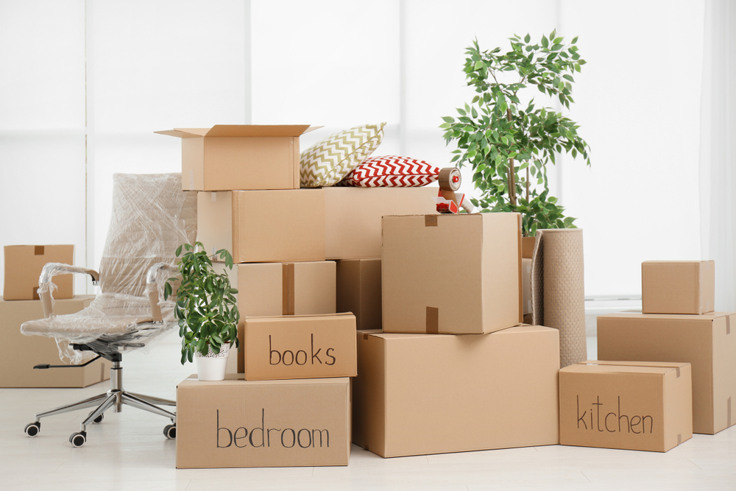
Moving to a new home is an exciting opportunity to start fresh, but it can also generate a surprising amount of waste. Cardboard boxes, plastic wrap, packing tape, disposable containers, and unnecessary transportation all contribute to environmental pollution. Fortunately, there are many simple ways to reduce your environmental impact while still enjoying a smooth and organized relocation. Choosing Flyttfirma i Sverige can help streamline your moving experience while allowing you to focus on sustainable practices that reduce waste and improve efficiency throughout the relocation process.
An eco-friendly move isn’t about making drastic lifestyle changes. Instead, it’s about making smarter choices before, during, and after moving day. From using reusable packing materials to donating unwanted belongings, every small decision contributes to protecting the environment while often saving money as well.
Many homeowners also look for Professional Packing Services that support environmentally responsible moving practices. Experienced movers often recommend reusable packing supplies, efficient loading techniques, and better transportation planning that help reduce waste without compromising the safety of your belongings.
Why Choose an Eco-Friendly Move?
Traditional moving methods often create unnecessary waste.
An environmentally friendly move helps you:
- Reduce landfill waste.
- Save money on packing supplies.
- Donate usable household items.
- Lower fuel consumption.
- Reuse materials instead of throwing them away.
- Create a cleaner start in your new home.
Making sustainable choices benefits both your family and the environment.
Declutter Before Packing
One of the easiest ways to reduce moving waste is by taking fewer belongings with you.
Go through every room and separate items into:
- Keep.
- Donate.
- Sell.
- Recycle.
The fewer items you move, the fewer boxes, packing materials, and transportation resources you’ll need.
Use Reusable Moving Boxes
Instead of purchasing brand-new cardboard boxes, consider:
- Plastic moving bins.
- Reusable storage containers.
- Previously used moving boxes.
- Boxes borrowed from friends or family.
Reusing boxes helps reduce waste while lowering moving expenses.
Replace Plastic Bubble Wrap
Plastic bubble wrap is commonly used during moves, but there are greener alternatives.
Try using:
- Towels.
- Blankets.
- Bed sheets.
- Reusable fabric wraps.
- Recycled packing paper.
These household items provide excellent protection for fragile belongings while reducing plastic waste.
Donate Items You No Longer Need
Moving is the perfect opportunity to simplify your home.
Donate:
- Clothing.
- Furniture.
- Kitchenware.
- Books.
- Toys.
Donating usable belongings extends their life while helping local charities and reducing landfill waste.
Recycle Packing Materials
After unpacking, avoid throwing everything away.
Recycle:
- Cardboard.
- Paper.
- Glass.
- Plastic containers.
Keeping recyclable materials out of landfills supports a more sustainable moving process.
Choose Efficient Packing Methods
Packing boxes efficiently reduces the number of containers required.
Fill empty spaces carefully and avoid partially filled boxes whenever possible.
This improves transportation efficiency and reduces material usage.
Plan Your Moving Route
Carefully planning your travel route helps:
- Reduce fuel consumption.
- Save time.
- Minimize unnecessary driving.
Efficient transportation benefits both your budget and the environment.
Use Reusable Shopping Bags
Instead of packing everything inside cardboard boxes, use:
- Canvas shopping bags.
- Storage baskets.
- Suitcases.
- Backpacks.
Many everyday household containers work perfectly for moving smaller belongings.
Avoid Disposable Cleaning Products
Before leaving your old home, choose reusable cleaning supplies whenever possible.
Examples include:
- Washable cloths.
- Refillable spray bottles.
- Eco-friendly cleaning solutions.
These options reduce unnecessary waste.
Continue Sustainable Habits After Moving
An eco-friendly move doesn’t end once you arrive.
Continue by:
- Organizing recycling bins.
- Reducing household waste.
- Reusing storage containers.
- Donating unused items regularly.
Building sustainable habits creates long-term environmental benefits.
Common Eco-Friendly Moving Mistakes
Avoid these common mistakes:
- Buying excessive packing materials.
- Throwing away reusable boxes.
- Packing items you no longer need.
- Ignoring recycling opportunities.
- Using unnecessary plastic packaging.
Simple planning helps avoid unnecessary waste.
Frequently Asked Questions
How can I make my move more environmentally friendly?
Reuse packing supplies, donate unwanted belongings, recycle materials, and plan efficient transportation routes.
Are reusable moving boxes worth it?
Yes. They reduce waste, are often stronger than cardboard boxes, and can be used multiple times.
Should I recycle moving boxes?
Absolutely. Clean cardboard boxes should always be recycled or reused whenever possible.
Does moving less help the environment?
Yes. Fewer belongings require fewer boxes, less transportation space, and lower fuel consumption.
Final Thoughts
An eco-friendly move is one of the simplest ways to reduce your environmental impact while also saving money and staying organized. By choosing reusable packing materials, donating unwanted belongings, recycling responsibly, and planning your move efficiently, you can enjoy a successful relocation that benefits both your household and the planet.
Every sustainable decision—no matter how small—helps create a cleaner future. Whether you’re moving across the street or to a new city, adopting environmentally responsible moving practices allows you to begin life in your new home with less waste, lower costs, and greater peace of mind.