
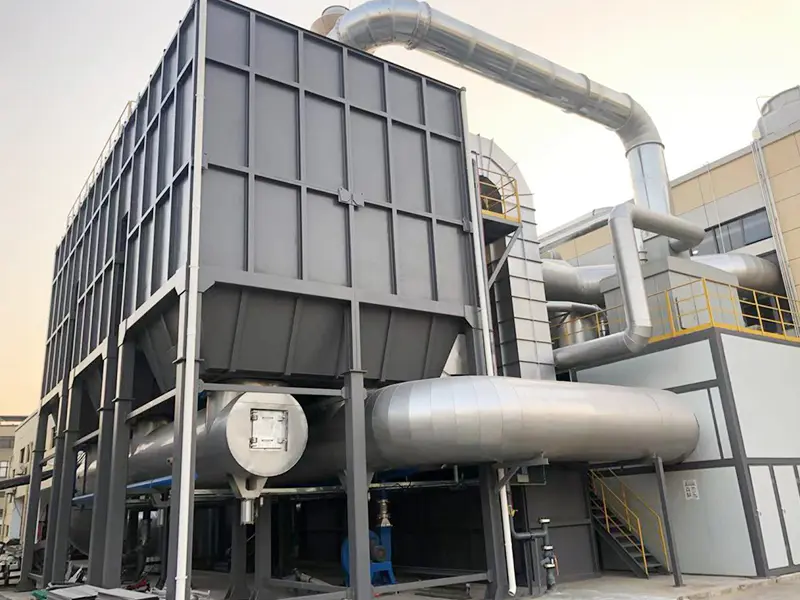
Volatile Organic Compounds (VOCs) are a major concern in industrial processes due to their harmful effects on the environment and human health. Understanding VOC emissions and implementing effective control measures is critical for industries aiming to meet environmental regulations and maintain sustainable operations. This article delves into VOC waste gas treatment explained, covering its methods, benefits, and practical compliance tips for industries.
Understanding VOC Waste Gas
VOCs are organic chemicals that easily evaporate at room temperature, contributing to air pollution and smog formation. They originate from various industrial activities, such as chemical manufacturing, painting, printing, solvent usage, and fuel processing. VOC emissions pose risks not only to the environment but also to human health, causing respiratory issues, headaches, and long-term chronic conditions with prolonged exposure.
Effective VOC waste gas treatment explained requires an understanding of the sources, types, and concentrations of VOCs. Industrial facilities must identify high-emission processes and determine the appropriate treatment technology to minimize environmental impact.
Common Methods of VOC Waste Gas Treatment
There are several methods used to treat VOC emissions. Choosing the right method depends on factors such as VOC concentration, volume of exhaust gas, and the specific chemical nature of the compounds. Key methods include:
Adsorption
Adsorption is a widely used technique for VOC waste gas treatment explained. It involves passing the contaminated gas through a medium, typically activated carbon or zeolite, which traps VOC molecules on its surface. This method is highly effective for low to medium VOC concentrations and can be tailored for specific compounds. The adsorbent material can later be regenerated or replaced, making this method sustainable for long-term use.
Incineration
Thermal oxidation or incineration is a method where VOCs are combusted at high temperatures to convert them into harmless carbon dioxide and water vapor. This approach is particularly effective for high concentrations of VOCs and provides almost complete destruction of pollutants. While the initial investment and operational costs may be higher, the environmental benefits and regulatory compliance often justify the expenditure.
Biofiltration
Biofiltration leverages microorganisms to break down VOCs into less harmful substances. VOC-laden air is passed through a biofilter composed of organic materials, such as compost or soil, where microbial action decomposes the pollutants. This method is eco-friendly, energy-efficient, and ideal for treating low-concentration VOC emissions in industries such as wastewater treatment, food processing, and agriculture.
Condensation
Condensation is suitable for high-concentration VOC gases. It involves cooling the gas to condense VOCs into a liquid form, which can then be collected and either reused or safely disposed of. This method is particularly effective for VOCs with high boiling points and is commonly used in solvent recovery systems.
Catalytic Oxidation
Catalytic oxidation involves passing VOC emissions over a catalyst at moderate temperatures, which accelerates the chemical reaction that converts VOCs into carbon dioxide and water. This technique offers energy savings compared to thermal oxidation and is suitable for medium to high VOC concentrations. It is widely used in chemical manufacturing and paint industries.
Benefits of VOC Waste Gas Treatment
Implementing effective VOC waste gas treatment explained offers multiple advantages for industries:
Environmental Protection
VOCs contribute to smog formation, ozone depletion, and other air quality issues. Treating VOC emissions reduces environmental pollution and supports sustainable industrial practices, contributing to healthier communities and ecosystems.
Regulatory Compliance
Environmental agencies worldwide impose strict limits on VOC emissions. Efficient treatment systems help industries comply with these regulations, avoiding fines, penalties, or potential legal action. Compliance also enhances a company’s reputation as an environmentally responsible organization.
Employee Health and Safety
Exposure to VOCs can negatively affect employees’ health, leading to respiratory problems, dizziness, and long-term chronic illnesses. Treating VOC emissions ensures a safer work environment, reducing occupational health risks and promoting overall workforce well-being.
Resource Recovery
Certain VOC treatment methods, such as condensation and adsorption, allow for the recovery and reuse of solvents and other valuable chemicals. This not only reduces waste but also lowers operational costs and improves resource efficiency.
Operational Efficiency
Modern VOC treatment systems can optimize industrial processes by minimizing emissions, reducing energy consumption, and streamlining waste handling. Efficient waste gas management contributes to smoother operations and long-term cost savings.
Compliance Tips for Industries
To maximize the effectiveness of VOC waste gas treatment explained, industries should follow best practices to ensure compliance with environmental regulations:
Conduct Regular VOC Monitoring
Consistent monitoring of VOC emissions is essential to identify high-emission sources and measure the effectiveness of treatment systems. This involves using gas analyzers, sensors, and sampling methods to maintain accurate records and stay within regulatory limits.
Implement Proper System Maintenance
VOC treatment equipment requires regular maintenance to operate efficiently. Adsorption beds should be regenerated, incinerators inspected for proper combustion, and biofilters checked for microbial health. Regular maintenance prevents system failures and ensures continuous compliance.
Train Personnel
Employees must understand VOC risks and the operation of waste gas treatment systems. Training programs enhance awareness, reduce operational errors, and ensure that staff can respond effectively to any system malfunctions.
Select Appropriate Technology
Choosing the right treatment method is crucial. Industries should consider factors like VOC concentration, gas flow rate, and chemical composition when selecting a system. Consulting with environmental engineers or VOC specialists can optimize treatment efficiency and compliance.
Stay Updated with Regulations
Environmental standards for VOC emissions can change over time. Industries should monitor regulatory updates from local, national, and international authorities to ensure their treatment systems remain compliant. Proactive adaptation to regulatory changes reduces risks of non-compliance.
Future Trends in VOC Waste Gas Treatment
As environmental awareness increases, industries are adopting advanced VOC waste gas treatment solutions. Emerging technologies include hybrid systems combining multiple treatment methods, real-time monitoring using IoT devices, and AI-driven optimization to enhance efficiency. Renewable energy integration and low-energy treatment solutions are also gaining traction, reflecting a shift towards greener industrial operations.
Conclusion
Understanding VOC waste gas treatment explained is vital for industries seeking to reduce their environmental impact and maintain regulatory compliance. From adsorption and incineration to biofiltration and condensation, various methods are available to address VOC emissions effectively. The benefits extend beyond regulatory compliance, promoting environmental protection, employee safety, resource recovery, and operational efficiency. By implementing proper monitoring, maintenance, and employee training, industries can ensure that VOC treatment systems operate optimally, safeguarding both public health and the planet.
By prioritizing VOC control, businesses not only protect the environment but also enhance their reputation as responsible and sustainable operators in a rapidly evolving industrial landscape. Effective VOC waste gas treatment is no longer just an environmental obligation—it is a strategic advantage.