
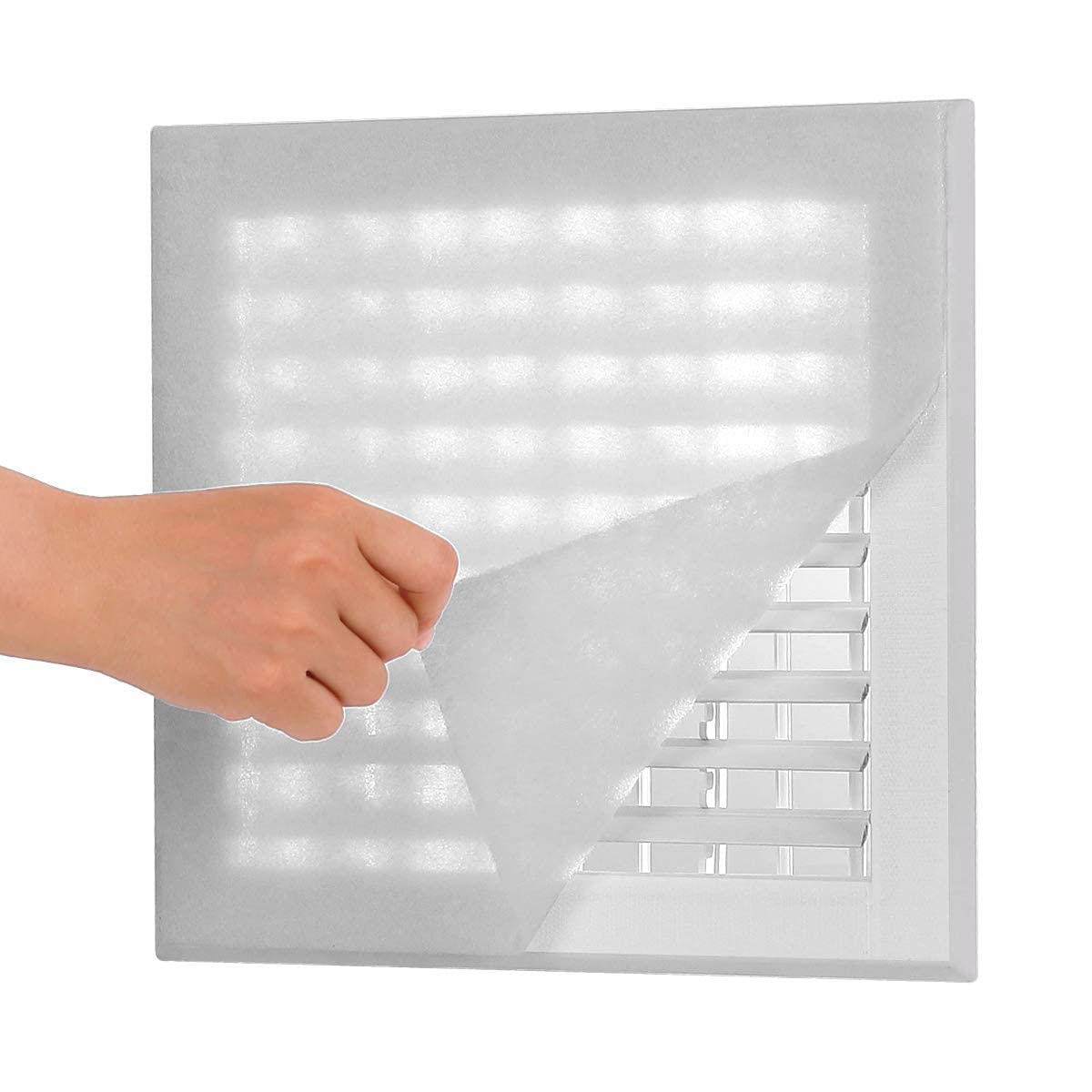
Indoor air quality has become an increasingly important consideration in homes, offices, commercial buildings, schools, healthcare facilities, and industrial environments. People spend a significant portion of their lives indoors, making the quality of the air they breathe an essential part of creating comfortable and healthy spaces. One of the most practical ways to support cleaner indoor air is through the use of effective ventilation filters. These filters are designed to capture airborne particles and help ventilation systems deliver cleaner air throughout a building.
A well-designed ventilation system does more than simply move air from one place to another. It also plays an important role in managing dust, pollen, dirt, and other airborne contaminants. When the right filtration solution is selected and maintained correctly, it can contribute to a healthier indoor environment while also helping ventilation equipment operate efficiently.
The Role of Ventilation Filters in Indoor Air Quality
Ventilation filters are essential components of many heating, ventilation, and air conditioning systems. Their primary purpose is to remove unwanted particles from the air before it is distributed through indoor spaces. Depending on their design and filtration class, filters can capture different sizes and types of airborne particles.
Dust and larger particles can accumulate quickly in indoor environments, especially in busy buildings with high levels of foot traffic. Outdoor air can also introduce pollen, fine dust, and other contaminants into a ventilation system. Without proper filtration, these particles may circulate throughout a building and settle on furniture, floors, and other surfaces.
High-quality ventilation filters provide a barrier between airborne contaminants and the indoor environment. By reducing the amount of particulate matter entering occupied areas, they can help create cleaner and more pleasant spaces for employees, residents, customers, and visitors.
How Effective Filtration Supports Healthier Spaces
Effective filtration is an important part of an overall indoor air quality strategy. Although filters cannot remove every possible indoor pollutant, they can significantly reduce certain airborne particles when the correct filter is selected for the application.
Fine particles may come from outdoor pollution, construction activities, combustion processes, and other sources. Pollen and dust can also enter buildings through doors, windows, and ventilation systems. By capturing these particles, ventilation filters can help reduce the concentration of unwanted contaminants circulating in the air.
Cleaner indoor air can contribute to a more comfortable environment, particularly in buildings where people spend many hours each day. Offices with effective air filtration may feel fresher, while schools and public facilities can benefit from a cleaner indoor atmosphere. In residential buildings, appropriate filtration can also help control everyday dust and airborne particles.
It is important to remember that indoor air quality depends on several factors. Adequate ventilation, humidity control, regular cleaning, source control, and proper maintenance all work together with filtration. Effective ventilation filters are therefore one important part of a broader approach to maintaining healthier indoor spaces.
Understanding Different Filter Classes
Not every filtration requirement is the same. Different buildings and ventilation systems require different levels of filtration depending on their design, location, and intended use. Filter classes help users identify the filtration performance of a product and select a suitable option.
Common options include G4, M5, F7, and F8 filters for ventilation systems. These filter classes are commonly used in various ventilation applications, with each offering different levels of particle filtration performance.
G4 filters are often used as prefilters for capturing larger dust particles and protecting downstream components. M5 filters can provide a higher level of filtration for general ventilation applications. F7 and F8 filters are designed for applications where greater filtration performance is required.
Choosing a filter should always be based on the requirements of the ventilation system and the building. Installing a filter with a filtration level that is too low may not provide adequate particle removal. On the other hand, selecting a filter with unnecessarily high resistance can increase the workload on fans and potentially affect airflow.
The Importance of Correct Filter Selection
Selecting the right ventilation filters involves more than choosing the highest filtration class available. A suitable filter needs to balance filtration efficiency, airflow, pressure drop, system compatibility, and maintenance requirements.
The physical dimensions of the filter are also important. A filter that does not fit correctly may allow air to bypass the filtration media, reducing the effectiveness of the entire system. Proper installation ensures that air passes through the filter as intended.
Building owners and facility managers should also consider the environmental conditions surrounding the property. Urban buildings may experience higher levels of outdoor pollution, while industrial facilities may face specific airborne contaminants associated with their operations. Residential properties may have different requirements based on occupancy, location, and ventilation design.
For these reasons, professional advice can be valuable when selecting ventilation filters. The right solution should match the ventilation equipment while supporting the desired indoor air quality objectives.
Regular Replacement Helps Maintain Performance
Even the highest-quality ventilation filters cannot perform effectively forever. As a filter captures airborne particles, the filtration media gradually becomes loaded with dust and contaminants. Over time, this can increase resistance to airflow and place additional strain on the ventilation system.
Regular inspection and replacement are therefore essential. The correct replacement interval depends on factors such as filter type, operating hours, outdoor air quality, building occupancy, and environmental conditions.
A heavily loaded filter may reduce airflow and increase energy consumption because the ventilation system has to work harder to move air through the restricted filter. In addition, an overdue filter may no longer provide the desired filtration performance.
Creating a maintenance schedule can help prevent these problems. Facility managers should monitor filter conditions and follow the recommendations provided by the ventilation equipment and filter manufacturer. In environments with high dust levels or heavy usage, filters may need to be checked more frequently.
Supporting Energy Efficiency and Equipment Protection
Effective filtration can provide benefits beyond indoor air cleanliness. Properly selected and maintained filters also help protect ventilation equipment from excessive dust accumulation. By capturing particles before they reach fans, coils, and other components, filters can reduce the amount of contamination that enters the system.
However, filtration performance should always be balanced with airflow requirements. A filter that is heavily clogged can increase pressure drop and make the system operate less efficiently. This is why timely replacement is an important part of ventilation maintenance.
Using high-quality filters that are correctly sized and regularly replaced can help maintain consistent airflow. A well-maintained ventilation system can support comfortable indoor conditions while reducing unnecessary strain on mechanical components.
Choosing Quality Filters for Ventilation Systems
Quality is an important consideration when purchasing replacement filters. Reliable products should be manufactured according to appropriate standards and selected for compatibility with the specific ventilation system.
In Germany, an online shop with a wide selection of high-quality G4, M5, F7, and F8 filters for ventilation systems can make it easier for customers to find suitable products. Buying directly from a manufacturer may also provide access to competitive prices and certified products designed for reliable performance.
When comparing ventilation filters, customers should look beyond price alone. Filter dimensions, filtration class, construction quality, compatibility, pressure drop, and replacement requirements should all be considered. A lower-cost product may not always be the most economical choice if it requires more frequent replacement or does not deliver the expected performance.
Creating a Better Indoor Environment
Healthy indoor spaces require a combination of good ventilation practices and effective contaminant control. Ventilation filters play an important role by helping capture airborne particles before they are distributed throughout occupied areas.
From homes and offices to schools, commercial properties, and industrial facilities, the right filtration solution can contribute to cleaner air and improved comfort. However, the best results come from combining suitable filters with proper ventilation, regular maintenance, adequate airflow, and good building management practices.
Investing in appropriate ventilation filters is a practical step toward supporting healthier indoor spaces. By choosing the correct filtration class, installing filters properly, and replacing them at suitable intervals, building owners and occupants can help maintain cleaner air while protecting ventilation equipment. Effective filtration is not a complete solution for every indoor air quality concern, but it remains an essential part of creating cleaner, more comfortable, and healthier environments for the people who use them every day.