
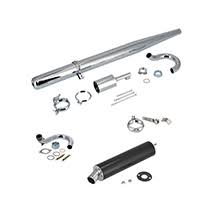
When it comes to improving a vehicle, car owners often face a choice between keeping the original factory components or upgrading to aftermarket tuning parts. Stock tuning parts components are designed by the vehicle manufacturer to provide balanced performance, comfort, reliability, and cost efficiency. Tuning parts, on the other hand, are created to change or improve specific aspects of a vehicle, such as appearance, handling, power, braking, or exhaust performance.
Understanding the differences between these two options can help car enthusiasts make better decisions when modifying their vehicles. Whether the goal is a sportier appearance or improved driving performance, knowing what each component offers is essential.
What Are Stock Components?
Stock components are the parts installed by the vehicle manufacturer when a car leaves the factory. These include suspension systems, wheels, exhaust systems, bumpers, brakes, engine components, air intake systems, and many other parts.
Manufacturers develop stock components to meet specific requirements. These parts are usually tested for compatibility with the vehicle and are designed to provide a balance between performance, comfort, durability, safety, and fuel efficiency.
For everyday drivers, stock components can be an excellent choice because they are designed specifically for the vehicle. Replacement parts that match the original specifications can also make maintenance straightforward.
What Are Tuning Parts?
Tuning parts are aftermarket components designed to modify or enhance a vehicle. They can range from simple cosmetic upgrades to performance-focused modifications.
Common examples include upgraded exhaust systems, performance air filters, suspension kits, custom wheels, spoilers, bodykits, upgraded brakes, intercoolers, and engine tuning components.
Unlike stock components, tuning parts are often developed with specific goals in mind. Some are designed to improve handling, while others focus on increasing engine performance or creating a more aggressive appearance.
For enthusiasts, these upgrades provide an opportunity to personalize a vehicle according to individual preferences.
Performance Differences
One of the biggest differences between stock components and tuning parts is performance. Stock parts are generally designed for balanced everyday driving. Manufacturers need to consider a wide range of conditions, including comfort, reliability, emissions, fuel economy, and production costs.
Performance-oriented tuning parts can be designed with fewer compromises. For example, a performance exhaust may improve airflow and create a sportier exhaust note. An upgraded suspension system can provide sharper handling and improved cornering response.
However, performance improvements depend heavily on the quality and compatibility of the selected parts. Installing unsuitable components does not automatically make a vehicle faster or better to drive.
Appearance and Customization
Stock vehicles typically have a factory-designed appearance. While manufacturers offer different trims and styling packages, the basic design remains consistent across many vehicles of the same model.
Tuning parts offer much greater freedom for customization. Bodykits, custom bumpers, grilles, spoilers, side skirts, and wheels can dramatically change the appearance of a car.
For example, a well-designed bodykit can give a standard vehicle a more aggressive or sporty appearance. Custom wheels can also change the overall character of the vehicle while allowing owners to select different styles and finishes.
This flexibility is one of the main reasons aftermarket modifications are popular among car enthusiasts.
Fitment and Compatibility
Stock components generally have an advantage when it comes to fitment because they are specifically designed for the vehicle. Factory parts normally match the vehicle’s original mounting points, dimensions, and systems.
Tuning parts require more careful consideration. Aftermarket components may be designed for specific models, generations, engine configurations, or trim levels. Even parts that appear similar may have different dimensions or mounting requirements.
Before purchasing tuning parts, owners should check the vehicle’s make, model, year, engine, trim, and existing modifications. Correct fitment helps prevent installation problems and ensures that the upgraded component works as intended.
Quality and Materials
The quality of aftermarket components can vary considerably. Some tuning parts are manufactured using high-quality materials and undergo extensive testing. Others may prioritize low prices over durability or precise fitment.
Stock components from established manufacturers are generally produced according to the vehicle manufacturer’s specifications. This provides consistency and predictable performance.
When selecting tuning parts, buyers should pay attention to material quality, manufacturing standards, compatibility, installation requirements, and seller reputation. Choosing quality components can make a significant difference in the overall result.
Cost Considerations
Price is another important difference between stock components and aftermarket upgrades. Stock replacement parts can sometimes be expensive, particularly when purchasing original equipment manufacturer components.
Tuning parts are available across a wide range of price points. Some affordable upgrades can provide noticeable changes without requiring a major investment, while premium performance components can cost considerably more.
The total cost should include more than the purchase price. Installation, additional hardware, professional tuning, maintenance, and potential supporting modifications can all affect the final budget.
Installation and Maintenance
Stock components are generally straightforward to replace because they are designed around the vehicle’s original specifications. Mechanics are also familiar with common factory systems.
Tuning parts can sometimes require additional installation work. Certain performance upgrades may need supporting components or adjustments to ensure proper operation.
For safety-related systems such as brakes and suspension, professional installation can be particularly important. Poorly installed components may affect handling, braking, or vehicle stability.
Aftermarket modifications may also require additional maintenance depending on the type of upgrade. Regular inspections can help identify wear, loose components, or other problems early.
Reliability and Daily Driving
Stock components are designed with everyday reliability in mind. Manufacturers spend significant resources testing vehicles under different driving conditions before production.
Tuning parts can maintain excellent reliability when properly selected and installed, but some modifications may change the characteristics of a vehicle. For example, a very aggressive suspension setup may improve handling but reduce ride comfort.
Similarly, certain engine modifications may increase performance while placing additional demands on other components.
The best modification strategy is usually one that matches the owner’s intended use. A daily driver may benefit from moderate upgrades, while a vehicle built primarily for track use may require more specialized components.
Which Option Is Better?
There is no universal answer to whether stock components or tuning parts are better. The right choice depends on the driver’s goals.
Stock components are often preferable for owners who prioritize factory specifications, simplicity, comfort, and predictable operation. They can also be ideal for vehicles that are used primarily for commuting.
Tuning parts are more suitable for owners who want customization, improved performance, or a distinctive appearance. The key is selecting components that match the vehicle and the intended purpose.
Making Smart Modification Choices
Before purchasing an upgrade, it is important to research the product carefully. Check whether the component is compatible with the vehicle and consider whether other modifications are required.
It is also useful to compare different brands, materials, warranties, reviews, and installation requirements. Buying the cheapest option is not always the most economical decision if the component has poor fitment or durability.
A balanced approach can produce excellent results. Instead of modifying every component at once, owners can focus on specific areas that provide the greatest benefit.
Conclusion
The main difference between tuning parts and stock components is their purpose. Stock components are developed to provide a balanced combination of performance, comfort, reliability, safety, and practicality. Tuning parts are generally focused on customization or improving particular aspects of a vehicle.
For car enthusiasts, aftermarket tuning parts can provide exciting opportunities to create a more personalized driving experience. However, quality, compatibility, installation, and intended use should always be considered before making an upgrade.
Whether you choose to maintain factory specifications or build a customized vehicle, understanding the advantages and limitations of each option allows you to make informed decisions and get the most from your car.