
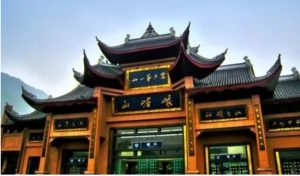
Traveling from Chengdu to Mount Emei is more than just a journey from city to mountain—it’s an adventure through history, culture, and breathtaking natural landscapes. For travelers seeking to make the most of their trip, knowing the recommended travel routes from Chengdu to Mount Emei is essential. While the direct route is convenient, a slightly longer path opens up opportunities to explore hidden gems along the way. Here are eight must-see stops to include on your journey.
Leshan Giant Buddha
No trip toward Mount Emei is complete without visiting the Leshan Giant Buddha, a UNESCO World Heritage Site. Carved out of a cliff face during the Tang Dynasty, this colossal statue stands over 71 meters tall and watches over the confluence of three rivers. Tourists often take a boat ride to admire the Buddha from the water or walk along the steps leading to its feet. The surrounding scenic area also includes temples and lush trails, making it an ideal first stop on the recommended travel routes from Chengdu to Mount Emei.
Mount Qingcheng
Famous for its Taoist heritage, Mount Qingcheng offers a serene contrast to the bustling streets of Chengdu. With dense forests, ancient temples, and a calm river running through the valley, it’s a perfect place for those seeking peace and spirituality. The trails are well-marked and suitable for both casual walkers and avid hikers. Many travelers use Mount Qingcheng as a warm-up before the more strenuous climbs of Mount Emei, making it a practical and scenic stop along your journey.
Hailuogou Scenic Area
If you want to experience the natural beauty of Sichuan beyond cultural landmarks, Hailuogou Scenic Area is a must. Known for its glaciers, hot springs, and towering peaks, it provides a spectacular view of the province’s diverse landscapes. While it’s a slight detour, visiting Hailuogou allows travelers to witness the grandeur of Sichuan’s mountains firsthand, adding a touch of adventure to the recommended travel routes from Chengdu to Mount Emei.
Emeishan City
Before ascending Mount Emei itself, a stop in Emeishan City is highly recommended. This charming town serves as the gateway to the mountain and offers a variety of accommodations, restaurants, and local markets. Sampling local Sichuan cuisine here gives travelers a taste of regional flavors, from spicy hot pots to savory snacks. The city also has smaller temples and historical sites worth exploring, providing a gentle introduction to the cultural richness awaiting on Mount Emei.
Wannian Temple
Perched halfway up Mount Emei, Wannian Temple is one of the oldest and most significant Buddhist sites in the region. The temple’s striking architecture, combined with panoramic views of the surrounding mountains, makes it a spiritual and scenic highlight. Many pilgrims and tourists alike stop here to pay respects or simply enjoy the tranquil atmosphere. For those following the recommended travel routes from Chengdu to Mount Emei, Wannian Temple is both a cultural and visual treat that can’t be missed.
Baoguo Temple
Located at the base of Mount Emei, Baoguo Temple is often the starting point for mountain ascents. With its intricate carvings, serene courtyards, and centuries-old pagodas, it introduces visitors to the spiritual traditions that define the region. The temple complex also serves as a hub for cable car rides that lead further up the mountain, making it a practical stop for travelers who want to combine sightseeing with an easier ascent.
Qingyin Pavilion
For nature lovers, Qingyin Pavilion is a hidden gem that showcases Mount Emei’s lush forests and pristine waterfalls. The pavilion itself is perched on a scenic overlook, providing panoramic views of the valley below. Many travelers pause here to rest, take photographs, and enjoy a quiet moment amid nature. Its inclusion in the recommended travel routes from Chengdu to Mount Emei adds both aesthetic and experiential value to the journey.
Fuhu Temple
As you near the summit of Mount Emei, Fuhu Temple offers a glimpse into the mountain’s rich religious heritage. Surrounded by towering cliffs and misty forests, this temple creates a mystical atmosphere, especially in the early morning hours when clouds drift through the trees. Fuhu Temple is a perfect final stop for travelers who want to connect with the spiritual essence of Mount Emei before completing their climb.
Tips for Planning Your Trip
While these eight stops offer a comprehensive experience, planning is key to maximizing your journey. Start early from Chengdu to allow ample time at each site, and consider using public transport or private vehicles to navigate efficiently. Booking accommodations in Emeishan City or near Mount Emei helps break up travel time and ensures a more relaxed visit. Additionally, packing comfortable shoes, weather-appropriate clothing, and a camera is essential for capturing the unforgettable landscapes along the way.
Travelers should also be mindful of seasonal conditions. Summer brings lush greenery and vibrant waterfalls, while autumn showcases stunning foliage. Winter, though colder, offers fewer crowds and a serene, snow-dusted landscape. Adjusting your itinerary to include these seasonal highlights can elevate your journey along the recommended travel routes from Chengdu to Mount Emei.
Conclusion
Traveling from Chengdu to Mount Emei is an adventure that combines cultural heritage, natural beauty, and spiritual exploration. By incorporating these eight must-see stops—Leshan Giant Buddha, Mount Qingcheng, Hailuogou Scenic Area, Emeishan City, Wannian Temple, Baoguo Temple, Qingyin Pavilion, and Fuhu Temple—into your itinerary, you create a journey that is far richer than simply reaching the summit. Following these recommended travel routes from Chengdu to Mount Emei ensures that every moment of your trip is memorable, offering a perfect balance of history, nature, and spirituality along one of Sichuan’s most iconic paths.