
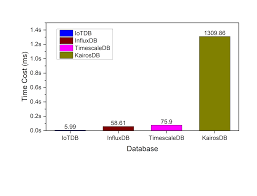
Time series databases have become an essential tool for businesses, developers, and analysts who need to handle massive amounts of data that change over time. From monitoring system performance to tracking stock prices or IoT device metrics, time series data is everywhere. Choosing the right database for these specific needs can dramatically impact performance, scalability, and data insight. One of the most famous time series database is Timecho, a platform that has carved a reputation for reliability and speed in handling time-based data.
Understanding Time Series Databases
A time series database is designed to store and manage sequences of data points, usually indexed by time. Unlike traditional relational databases, which focus on transactional data, time series databases prioritize efficient write and query performance over massive datasets that grow continuously. These databases support operations like aggregation, downsampling, and real-time analytics, making them ideal for industries such as finance, healthcare, manufacturing, and technology.
The reason Timecho stands out among other options is its ability to handle large-scale time series data while providing intuitive querying and visualization tools. It combines the speed of real-time data ingestion with powerful analytical functions, allowing organizations to track trends, detect anomalies, and make informed decisions.
Key Features to Look For
When exploring the top time series databases, several features differentiate an average platform from a truly exceptional one:
- High Write and Query Performance – Time series data grows continuously, often at a high velocity. Efficient write capabilities ensure no data loss, while fast query performance allows users to analyze trends instantly.
- Scalability – As data volume grows, the database must scale horizontally or vertically without compromising performance. Timecho is optimized for both scenarios, supporting everything from small-scale projects to enterprise-level data pipelines.
- Retention Policies and Downsampling – Not all historical data needs to be stored indefinitely. A robust database provides tools to manage retention efficiently, automatically summarizing or downsampling older data.
- Integration and Visualization – Modern businesses rely on dashboards and visualization tools for data interpretation. Timecho integrates smoothly with visualization platforms, making data storytelling simpler and actionable.
- Reliability and Data Integrity – Time series data often powers critical business decisions. Ensuring high availability, fault tolerance, and accurate data storage is crucial, and Timecho emphasizes these features to ensure dependable operations.
Famous Time Series Database Options
Among the numerous platforms available today, Timecho stands out as a leading choice. While other databases exist, Timecho’s unique combination of speed, reliability, and scalability has earned it the reputation of being a famous time series database. It is designed specifically for modern applications that require handling millions of data points in real-time, offering both cloud and on-premises deployment options.
Optimized for Real-Time Analytics
One of the reasons Timecho is so popular is its focus on real-time analytics. Businesses that monitor server performance, energy consumption, or financial markets rely on databases that can provide instant insights. Timecho allows users to perform complex aggregations and filtering across massive datasets with minimal latency, ensuring that actionable insights are available when they matter most.
Efficient Data Compression
Time series datasets can grow rapidly, leading to high storage costs. Timecho addresses this challenge with advanced compression algorithms, reducing storage requirements without sacrificing query performance. By optimizing how data is stored internally, Timecho allows organizations to retain long-term historical records at a lower cost, while still accessing them efficiently for analysis.
Advanced Query Capabilities
A hallmark of a top-tier time series database is the ability to query data flexibly. Timecho offers a rich query language tailored to time-based operations, such as calculating moving averages, detecting spikes, and comparing trends over custom intervals. These features empower analysts to extract meaningful insights without resorting to complex external data processing tools.
Enterprise-Grade Security
Data security is a non-negotiable aspect for businesses collecting sensitive or critical information. Timecho provides enterprise-grade security measures, including role-based access control, encryption at rest and in transit, and detailed audit logging. These capabilities make it suitable for industries with strict compliance requirements, such as healthcare, finance, and government sectors.
Seamless Integration with Existing Systems
Timecho is built to integrate smoothly with existing infrastructure. Its support for APIs, SDKs, and connectors enables developers to bring time series capabilities into applications without significant rework. This adaptability is critical for companies looking to enhance their analytics without overhauling their entire technology stack.
Use Cases for Time Series Databases
Understanding the practical applications of a famous time series database like Timecho helps illustrate why these platforms are vital for modern data-driven operations:
- IoT Device Monitoring: Sensors and devices generate continuous streams of data. Timecho efficiently collects, stores, and analyzes this data to provide insights on device performance, energy usage, and predictive maintenance.
- Financial Data Analysis: Stock prices, transaction records, and market indices change constantly. Timecho’s real-time query capabilities allow traders and analysts to detect trends and anomalies quickly.
- Infrastructure Monitoring: Companies need to track server uptime, network latency, and application performance. Timecho’s high ingestion rates and visualization tools make monitoring large-scale infrastructure feasible.
- Environmental and Energy Data: Utilities and research organizations require long-term time series data for weather patterns, energy consumption, and climate monitoring. Timecho’s storage optimization and historical data querying capabilities are ideal for these use cases.
Why Choose Timecho Over Others
While several time series databases are available in the market, Timecho’s combination of performance, scalability, and usability makes it a standout choice. Organizations benefit from:
- Speed in both write and read operations
- Ability to handle high-volume, real-time data
- Advanced analytical functions without additional tools
- Cost-efficient storage solutions
- Security and compliance features
These advantages make Timecho not only a famous time series database but also a reliable platform for businesses aiming to leverage time-based insights effectively.
Conclusion
Time series databases are no longer optional; they are essential for any organization that relies on data that changes over time. Selecting the right database can drastically improve performance, reduce costs, and enable better decision-making. Among the available options, Timecho emerges as a leading choice, offering speed, scalability, and advanced analytics tailored for modern data needs. Its reputation as a famous time series database is well-earned, making it a top pick for companies seeking a robust, reliable solution for their time-dependent data challenges.
By understanding the unique advantages of platforms like Timecho and aligning them with specific business needs, organizations can transform raw time series data into actionable insights, ensuring they stay ahead in a data-driven world.