
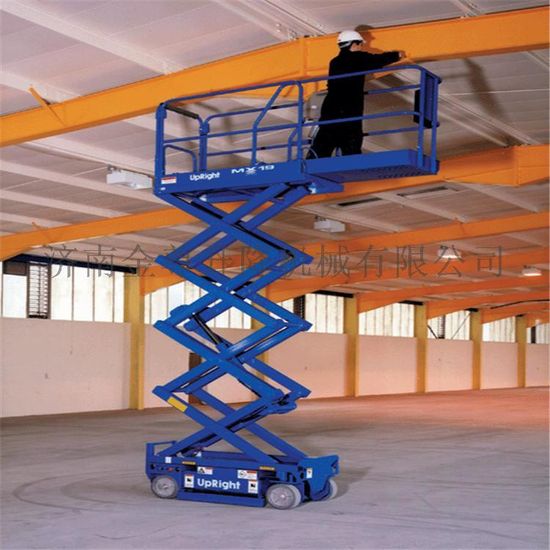
Workplace safety has evolved from being a regulatory requirement to a core value that defines operational excellence. Among the many tools that influence safety outcomes, lifting platforms play a critical role—especially in industries such as manufacturing, warehousing, construction, and maintenance. When properly selected, operated, and maintained, these platforms don’t just improve efficiency; they actively protect workers and help organizations move closer to a zero-injury workplace.
Why Lifting Platforms Matter for Safety
Manual lifting and working at height are two of the most common sources of workplace injuries. Musculoskeletal disorders, falls, and crush injuries consistently rank among the top causes of lost workdays. Lifting platforms reduce or eliminate many of these risks by providing stable, controlled vertical movement for people and materials.
Modern lifting solutions are designed with safety at their core. Guardrails, non-slip surfaces, emergency stop systems, and overload protection are now standard features rather than optional extras. When companies replace unsafe ladders or improvised lifting methods with engineered platforms, they significantly lower the probability of serious incidents.
Designing Safety into Equipment Selection
Achieving zero injuries starts long before equipment is delivered to the site. Selecting the right platform for the task is crucial. Height requirements, load capacity, indoor or outdoor use, and frequency of operation all influence safety outcomes.
For example, a warehouse using an 升降台 for repetitive pallet handling needs a different configuration than a maintenance team using a platform for intermittent overhead repairs. Mismatched equipment often leads to unsafe workarounds, which increase injury risk. A thorough risk assessment during the selection phase ensures that the lifting platform supports safe postures, clear visibility, and predictable movement.
Training: The Human Factor
Even the safest equipment can become dangerous in untrained hands. Comprehensive training is one of the strongest predictors of injury reduction. Operators must understand not only how to use lifting platforms, but also why certain procedures exist.
Training should cover load limits, proper positioning, emergency response, and daily pre-use inspections. Refresher sessions are equally important, especially when platforms are shared across shifts or departments. In facilities where an 升降台 is part of daily operations, embedding safety training into onboarding programs helps establish good habits from day one.
Maintenance and Inspection as Preventive Safety
Preventive maintenance is often discussed in terms of uptime and productivity, but its safety impact is just as significant. Worn hydraulic components, faulty sensors, or damaged guardrails can turn a safe platform into a hazard.
Routine inspections—both daily checks by operators and scheduled professional servicing—are essential. Clear reporting systems should allow workers to flag issues without fear of blame or delay. When employees see that safety concerns are addressed promptly, trust grows and unsafe equipment is less likely to remain in use.
Integrating Lifting Platforms into Safety Culture
A zero-injury workplace is built on culture, not just equipment. Lifting platforms should be integrated into broader safety systems, including standard operating procedures, incident reporting, and continuous improvement initiatives.
Leadership plays a key role here. When managers consistently prioritize safe platform use over speed or short-term gains, that message filters down through the organization. Toolbox talks, safety briefings, and visible leadership involvement reinforce the idea that using an 升降台 correctly is non-negotiable.
Ergonomics and Long-Term Health
Beyond preventing acute injuries, lifting platforms also protect long-term worker health. Adjustable height platforms reduce bending, reaching, and twisting—movements that contribute to chronic back and shoulder problems. Over time, improved ergonomics lead to fewer sick days, lower compensation claims, and higher employee satisfaction.
In assembly lines or packing stations, integrating a platform that adjusts to the worker rather than forcing the worker to adapt can dramatically improve comfort and focus. This is another way that a well-designed 升降台 supports both safety and productivity.
Technology and the Future of Safe Lifting
Advances in technology are further enhancing platform safety. Smart sensors can detect uneven loads, obstructions, or unauthorized use. Some systems integrate with facility safety software, providing real-time data on usage patterns and maintenance needs.
These innovations allow organizations to move from reactive safety management to predictive prevention. Instead of responding after an incident, companies can identify risk trends early and intervene before injuries occur.
Conclusion
Building a zero-injury workplace is an ongoing journey that requires commitment, planning, and the right tools. Lifting platforms are more than mechanical devices—they are safety systems that, when properly chosen and managed, protect workers at every level.
By selecting appropriate equipment, investing in training, maintaining platforms diligently, and embedding safety into workplace culture, organizations can dramatically reduce risk. In doing so, they not only safeguard their workforce but also create a more resilient, efficient, and responsible operation where safety and productivity rise together.