
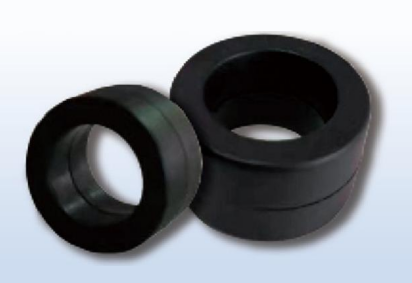
High-frequency transformer cores are central to the efficiency and performance of modern inverter power supplies. As devices demand higher power density, faster switching speeds, and lower energy losses, the selection and design of transformer cores become increasingly critical. This article explores the role of high-frequency transformer cores, the advantages of amorphous core transformers, and how they optimize inverter power supply systems amorphous core transformer advantages.
Understanding High-Frequency Transformer Cores
Transformers are fundamental in converting electrical energy between voltage levels while maintaining isolation between circuits. In high-frequency applications, typically above 20 kHz, transformers differ significantly from traditional low-frequency counterparts used in 50/60 Hz power systems. High-frequency transformer cores are designed to handle rapid magnetic flux changes without excessive losses.
One of the main challenges in high-frequency transformers is minimizing core losses, which include hysteresis and eddy current losses. These losses generate heat and reduce overall efficiency. Therefore, materials used for high-frequency transformer cores must exhibit low coercivity, low core loss, and high saturation flux density. Common core materials include ferrites, powdered iron, and amorphous alloys.
Why High-Frequency Transformers Are Essential in Inverters
Inverter power supplies, which convert DC to AC at high frequencies, rely heavily on the efficiency of transformer cores. High-frequency operation allows for:
- Reduced transformer size: Higher switching frequencies mean less magnetic flux is required per cycle, allowing smaller cores without sacrificing power handling.
- Lower weight: Compact cores contribute to lighter, more portable inverter designs.
- Improved efficiency: Efficient cores reduce energy losses, heat generation, and the need for bulky cooling systems.
- Faster response: High-frequency transformers can react quickly to changing loads, which is crucial for modern electronics and renewable energy systems.
These benefits directly affect the performance and reliability of inverter power supplies, making the choice of core material and design crucial.
Materials for High-Frequency Transformer Cores
Ferrite Cores
Ferrite cores are widely used due to their high electrical resistivity and low eddy current losses. They are ideal for frequencies ranging from tens of kilohertz to several megahertz. However, ferrites are brittle and can saturate at relatively low flux densities, limiting their use in high-power applications.
Powdered Iron Cores
Powdered iron cores offer higher saturation flux density than ferrites and are mechanically robust. They perform well at moderate frequencies but exhibit higher core losses compared to ferrites, making them less suitable for ultra-high-frequency applications.
Amorphous Alloy Cores
Amorphous alloy cores are emerging as a superior choice for high-frequency transformers in inverters. These materials have a disordered atomic structure, reducing hysteresis loss significantly. The benefits of amorphous core transformers include:
- Lower core losses: Amorphous cores have lower hysteresis and eddy current losses compared to crystalline materials.
- Higher efficiency: Reduced losses translate to higher overall inverter efficiency.
- Compact design: Their properties allow for smaller, lighter cores without sacrificing performance.
- Thermal stability: Lower losses generate less heat, improving reliability and lifespan.
The combination of these advantages makes amorphous core transformers highly suitable for high-frequency inverter applications.
Design Considerations for High-Frequency Transformer Cores
Designing a high-frequency transformer involves balancing several factors: core material, geometry, winding techniques, and thermal management.
Core Geometry
The shape and size of the core affect magnetic flux distribution and thermal performance. Common geometries include E-cores, toroidal cores, and planar cores. Toroidal cores offer minimal leakage inductance and high efficiency, while planar cores allow for compact, low-profile designs suitable for modern electronics.
Winding Techniques
Winding arrangements influence parasitic capacitance and leakage inductance, both of which impact high-frequency performance. Interleaved windings and bifilar designs can reduce leakage and improve energy transfer.
Thermal Management
Even high-efficiency cores generate heat. Proper heat dissipation, either through convection, conduction, or forced cooling, ensures long-term reliability. Amorphous core transformers, with inherently lower losses, reduce the thermal load compared to traditional materials.
Applications of High-Frequency Transformer Cores in Inverter Systems
High-frequency transformers with optimized cores are used across multiple inverter applications:
- Renewable energy systems: Solar inverters benefit from smaller, lighter, and more efficient transformers, increasing overall system efficiency.
- Uninterruptible power supplies (UPS): High-frequency transformers enable compact, high-efficiency UPS systems.
- Electric vehicles: Lightweight, high-efficiency transformers improve power density and reduce energy loss in EV inverters.
- Industrial drives: Precision control of motor drives relies on fast, efficient inverter transformers to maintain performance under varying loads.
Advantages of Amorphous Core Transformers in Inverter Designs
Using amorphous core transformers in high-frequency inverters offers distinct advantages:
- Energy Efficiency: Lower core losses mean more energy is delivered to the load, reducing operational costs.
- Reduced Size and Weight: Compact transformers allow for portable and space-constrained applications.
- Improved Thermal Management: Less heat generation simplifies cooling and improves reliability.
- Environmental Benefits: Higher efficiency reduces wasted energy, aligning with sustainable energy goals.
Manufacturers increasingly adopt amorphous core transformers in high-performance inverter systems to meet both efficiency and size requirements.
Future Trends in High-Frequency Transformer Cores
The evolution of inverter power supplies continues to drive innovation in transformer core materials and designs. Emerging trends include:
- Nanocrystalline cores: Offering even lower losses than amorphous alloys at high frequencies.
- 3D-printed core geometries: Allowing complex shapes that optimize flux paths and reduce losses.
- Integration with wide-bandgap semiconductors: Combining SiC or GaN transistors with high-frequency transformers improves inverter performance at high switching speeds.
These developments suggest that the efficiency, size, and performance of inverter power supplies will continue to improve, with amorphous core transformers playing a key role.
Conclusion
High-frequency transformer cores are essential for optimizing inverter power supplies. The choice of core material, geometry, and winding design directly affects efficiency, size, thermal management, and overall performance. Among available materials, amorphous core transformers stand out for their low losses, high efficiency, and compact design, making them a preferred option in modern high-frequency inverter applications. As technology advances, the integration of innovative core materials and designs promises even greater performance gains, reinforcing the critical role of high-frequency transformer cores in energy-efficient and high-performance power electronics.
Amorphous core transformer advantages make them a cornerstone in the next generation of inverter power supply systems, enabling lighter, more efficient, and environmentally friendly solutions across industries.