
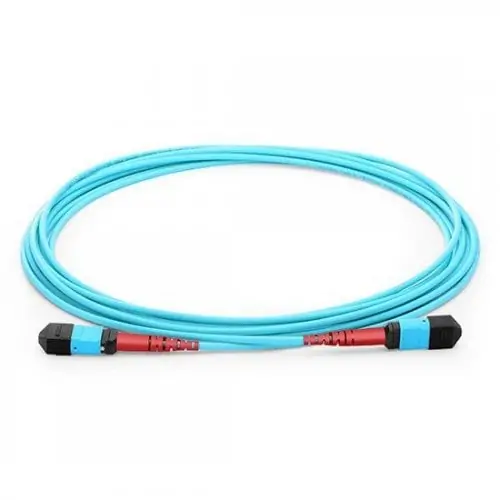
High-density network environments rely heavily on efficient fiber optic connections to ensure fast and reliable data transmission. Among the key components, the MTP patch cable plays a critical role. These multi-fiber cables allow network managers to handle large volumes of data with minimal footprint, making them ideal for data centers and enterprise networks. However, to maximize performance and longevity, proper troubleshooting and maintenance practices are essential.
Understanding MTP Patch Cable
An MTP patch cable is a type of high-performance fiber optic cable designed to support multiple fiber strands in a single connector. Unlike traditional single-fiber cables, MTP cables offer high-density connections that reduce space requirements and simplify cable management. Fiber-mart provides a range of MTP patch cables, including options for both single-mode and multimode networks, ensuring compatibility with various network architectures.
The MTP connector features precise alignment pins and ferrules that maintain low insertion loss and return loss. However, even with high-quality cables from Fiber-mart, improper handling or environmental factors can affect performance.
Common Issues with MTP Patch Cable
High-density networks face unique challenges that can affect MTP patch cables. The most common issues include:
- Dirty Connectors: Dust, oil, and other contaminants can accumulate on MTP connectors, causing signal degradation. Even microscopic particles can disrupt data transmission.
- Physical Damage: Bending, crushing, or pulling MTP patch cables beyond their minimum bend radius can damage the fibers inside, resulting in signal loss.
- Connector Misalignment: Improper mating of MTP connectors can lead to high insertion loss. This is often caused by incorrect pin alignment or connector orientation.
- Environmental Factors: High humidity, temperature fluctuations, and exposure to chemicals can degrade cable performance over time.
Troubleshooting MTP Patch Cable
Efficient troubleshooting involves a systematic approach to identify and resolve issues without disrupting the network. Here are key steps:
Visual Inspection
Begin by visually inspecting the MTP patch cable for obvious signs of damage or contamination. Check the connectors for dirt or scratches, and ensure the cable is free from sharp bends. Fiber-mart provides cleaning kits specifically designed for MTP connectors to remove dust and debris safely.
Cleaning the Connectors
Even minor contamination can increase insertion loss. Use the following cleaning methods:
- Dry Cleaning: Utilize lint-free wipes or specialized cassette cleaners for MTP connectors.
- Wet Cleaning: For stubborn dirt, use isopropyl alcohol with lint-free wipes, followed by dry cleaning to remove residue.
Proper cleaning can restore signal quality without replacing the cable.
Testing for Loss and Continuity
Use an optical power meter or an OTDR (Optical Time-Domain Reflectometer) to test the MTP patch cable for loss and continuity. Key parameters include:
- Insertion Loss: The signal loss when connecting the cable; high insertion loss indicates contamination or damage.
- Return Loss: Reflected signal that can interfere with transmission; low return loss suggests connector issues.
Fiber-mart’s MTP patch cables are manufactured to meet strict loss specifications, making testing a reliable method for identifying faulty segments.
Checking Connector Orientation
MTP patch cables have a polarity that must match network requirements. Reversing the orientation can cause connectivity issues. Verify that the keying of each connector aligns with the intended connection type.
Maintaining MTP Patch Cable
Regular maintenance is essential to prevent failures and extend the lifespan of MTP patch cables.
Proper Handling
Avoid bending or twisting cables excessively. Maintain a bend radius that adheres to manufacturer specifications. Use cable management trays and guides to prevent stress and tangling. Fiber-mart cables are designed for flexibility but still require careful handling.
Routine Cleaning
Schedule periodic cleaning of all MTP patch cable connections, even if no performance issues are apparent. Clean connectors before each connection or reconnection, especially in high-traffic data centers.
Environmental Control
Ensure that the network environment is controlled for temperature, humidity, and dust. High-density environments benefit from sealed racks and cleanroom practices. Protect MTP patch cables from exposure to chemicals or UV light that could degrade the fiber or jacket material.
Proper Storage
Store spare MTP patch cables in a clean, dry area, coiled loosely to avoid stress on the fibers. Avoid stacking heavy items on top of stored cables to prevent crushing. Fiber-mart offers reels and storage solutions that help maintain cable integrity.
Upgrading and Replacing MTP Patch Cable
Even with proper maintenance, MTP patch cables may eventually require replacement due to wear or technology upgrades. Signs that replacement is needed include:
- Persistent high insertion loss after cleaning
- Physical damage that compromises fiber integrity
- Network performance issues that trace back to specific cables
When upgrading, consider using higher-performance MTP patch cables from Fiber-mart that meet the latest industry standards. This ensures compatibility with evolving high-speed network demands.
Conclusion
The MTP patch cable is a backbone component in high-density networks, enabling efficient data transmission with minimal space usage. Proper troubleshooting and maintenance are critical to preserving network performance and preventing downtime. By visually inspecting, cleaning, testing, and carefully handling MTP patch cables, network managers can extend cable life and ensure reliable operation. Fiber-mart provides high-quality MTP patch cables and accessories that support these practices, making it easier to manage high-density networking environments effectively.
Investing time in maintaining and troubleshooting MTP patch cables is a small effort compared to the potential downtime and data loss caused by neglected cables. By following the guidelines outlined above, high-density networks can continue to operate smoothly, meeting the increasing demands of modern data centers and enterprise applications.