
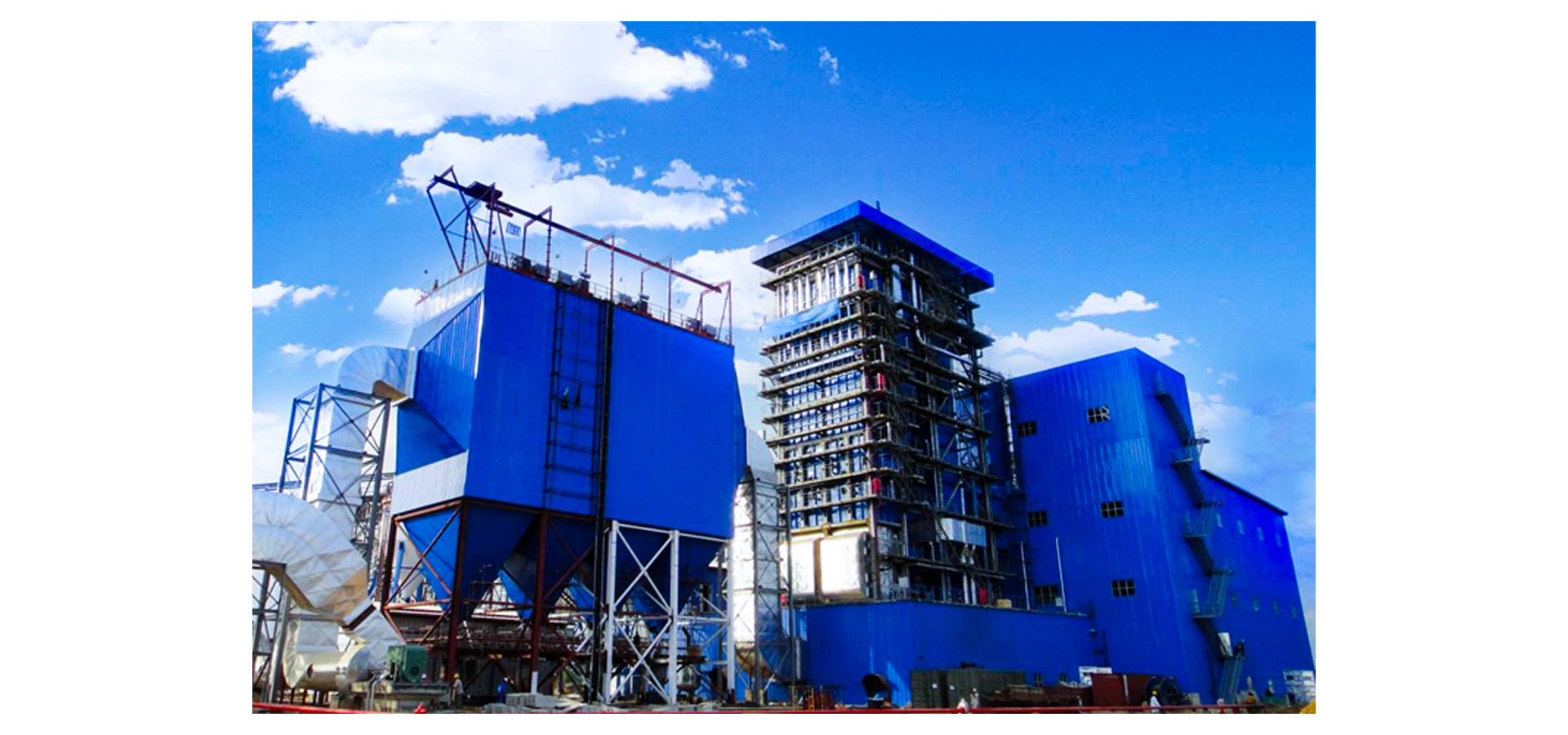
The demand for renewable energy sources has grown exponentially in recent years, and biomass energy has emerged as a viable solution to meet both environmental and economic goals. Small capacity biomass power plants offer an efficient way to generate electricity while utilizing local agricultural and forestry residues. This guide explores the Engineering, Procurement, and Construction (EPC) process for small capacity biomass power plant EPC projects, highlighting essential steps, best practices, and technical considerations.
Understanding Small Capacity Biomass Power Plant EPC
A small capacity biomass power plant EPC project involves designing, supplying, and constructing a plant that converts biomass materials such as wood chips, agricultural waste, or energy crops into electricity. The EPC contractor manages the entire project lifecycle, from initial feasibility studies to commissioning and operational support. In a small capacity biomass power plant EPC, the focus is on modular, scalable solutions that can be implemented in rural or semi-urban areas with limited infrastructure.
The EPC model provides a single point of responsibility, ensuring that the project is delivered on time, within budget, and meets performance guarantees. Contractors must consider fuel supply logistics, technology selection, environmental compliance, and integration with the local grid.
Feasibility Study and Site Selection
The first step in any small capacity biomass power plant EPC project is conducting a comprehensive feasibility study. This includes evaluating biomass availability, energy demand, grid connectivity, and economic viability. Key considerations include:
- Biomass resource assessment: Identify local biomass sources, seasonal availability, and transportation logistics.
- Land and site conditions: Evaluate land topography, soil stability, and proximity to roads and transmission lines.
- Regulatory compliance: Ensure adherence to environmental permits, emission standards, and zoning regulations.
- Financial analysis: Determine project costs, expected revenue, and payback periods to validate investment potential.
Selecting an appropriate site is critical, as it directly impacts plant efficiency, fuel handling costs, and environmental footprint. EPC contractors often collaborate with local authorities and stakeholders to secure permits and community support.
Designing the Small Capacity Biomass Power Plant
Once feasibility is confirmed, the EPC team develops a detailed design that encompasses all plant components, including fuel handling systems, boilers, turbines, generators, and control systems. The design phase in a small capacity biomass power plant EPC emphasizes simplicity, reliability, and modularity to minimize operational risks.
Key design considerations include:
- Boiler and combustion technology: Selecting efficient boilers suitable for the chosen biomass type ensures high energy conversion and low emissions.
- Turbine and generator sizing: Matching turbine and generator capacity to plant size and expected load optimizes efficiency.
- Fuel storage and handling: Proper design of storage silos, conveyors, and feeding systems prevents interruptions and maintains consistent operation.
- Emission control systems: Installing filters, scrubbers, and monitoring equipment ensures compliance with environmental regulations.
- Automation and control systems: Modern control systems enhance operational efficiency, allow remote monitoring, and reduce human error.
EPC contractors often employ simulation tools and 3D modeling to optimize layout, reduce civil work requirements, and anticipate potential operational challenges.
Procurement and Equipment Selection
Procurement is a crucial component of the small capacity biomass power plant EPC process. Selecting high-quality, reliable equipment ensures long-term performance and reduces maintenance costs. Key procurement activities include:
- Vendor evaluation: Assess suppliers based on product quality, service support, and experience in biomass projects.
- Equipment specification: Ensure all components meet technical, environmental, and safety standards.
- Logistics planning: Plan transportation routes for bulky equipment and raw materials to avoid delays.
- Contract management: Negotiate contracts with suppliers to secure competitive pricing and reliable delivery schedules.
The EPC contractor coordinates closely with vendors to maintain timelines and ensure that all equipment integrates seamlessly during construction.
Construction and Civil Works
Construction is the phase where the design becomes reality. In a small capacity biomass power plant EPC, civil works typically include foundations, building structures, access roads, and auxiliary facilities. EPC contractors follow strict safety protocols and construction standards to ensure quality.
Key construction considerations include:
- Foundation and structural design: Ensure proper load distribution for heavy equipment like boilers and turbines.
- Fuel storage and handling infrastructure: Construct durable silos, conveyors, and transfer systems suitable for local climate conditions.
- Electrical and control systems installation: Proper cable management, grounding, and system integration are critical for plant safety and reliability.
- Safety and compliance: Implement fire protection, emergency exits, and occupational safety measures.
Effective project management ensures timely completion and minimizes disruptions, which is especially important in small capacity biomass power plant EPC projects where budgets are often tight.
Commissioning and Testing
After construction, commissioning ensures that the plant operates according to design specifications. EPC contractors perform thorough testing of all systems, including boilers, turbines, generators, fuel handling, and control systems.
- Mechanical testing: Verify the integrity of equipment, piping, and structural components.
- Electrical testing: Check generators, transformers, and switchgear for proper operation.
- Performance testing: Evaluate plant efficiency, energy output, and emission levels.
- Training and handover: Train local operators and maintenance staff to manage day-to-day operations effectively.
Proper commissioning in a small capacity biomass power plant EPC project is essential to meet contractual guarantees and ensure reliable, sustainable energy production.
Operation and Maintenance Considerations
While EPC contractors primarily focus on delivering the plant, providing operation and maintenance (O&M) guidance is essential. Small capacity biomass power plants require regular maintenance of boilers, turbines, ash handling systems, and fuel storage to maintain efficiency and extend equipment life.
Key O&M practices include:
- Scheduled inspections: Regularly inspect critical equipment to identify wear or damage.
- Fuel quality management: Ensure consistent biomass quality to prevent boiler fouling or blockages.
- Emission monitoring: Continuously monitor emissions to comply with environmental regulations.
- Preventive maintenance: Implement preventive maintenance schedules for mechanical and electrical components.
Effective O&M ensures long-term financial viability and helps the plant achieve its environmental goals.
Challenges and Opportunities in Small Capacity Biomass Power Plant EPC
Small capacity biomass power plant EPC projects face unique challenges, including biomass supply variability, high upfront costs, and technological adaptation for smaller scales. However, they also present opportunities:
- Local economic development: Utilizing agricultural residues stimulates rural economies and creates jobs.
- Sustainable energy production: Small biomass plants reduce dependence on fossil fuels and lower greenhouse gas emissions.
- Scalability and modularity: EPC solutions can be replicated or expanded to meet growing energy demands.
- Innovation potential: Emerging technologies like advanced combustion systems and automation improve plant efficiency and reliability.
EPC contractors that address these challenges through careful planning, innovative solutions, and stakeholder collaboration can unlock significant value in small capacity biomass power plant EPC projects.
Conclusion
Small capacity biomass power plant EPC projects offer a sustainable, flexible, and efficient approach to renewable energy generation. By following a structured EPC process—from feasibility studies and design to procurement, construction, commissioning, and maintenance—project developers can ensure successful project execution.
The combination of technical expertise, rigorous planning, and adherence to environmental standards makes small capacity biomass power plant EPC an attractive solution for regions looking to harness local biomass resources. With proper execution, these plants not only provide reliable electricity but also contribute to local economic growth and environmental sustainability, positioning them as a key component of the future energy landscape.
The careful integration of design, procurement, construction, and operational strategies ensures that small capacity biomass power plant EPC projects meet their energy production goals while delivering long-term value to communities and investors alike.