
TikTok has become one of the most popular platforms for sharing short videos, discovering trends, and building an online community. Whether someone is a beginner, an established influencer, or free tiktok tools a business owner, creating engaging content is essential for gaining visibility. However, consistent growth requires more than simply uploading videos. Creators need the right tools to understand their audience, improve their content, and measure performance.
TikTok creator tools make these tasks easier by providing features for content management, analytics, editing, audience interaction, and monetization. By using these resources strategically, creators can develop a stronger presence and build meaningful relationships with their followers.
What Are TikTok Creator Tools?
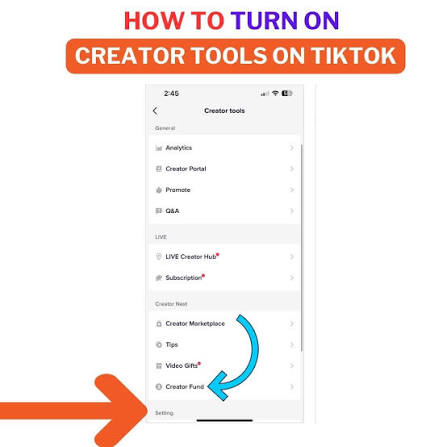
TikTok creator tools are features and resources designed to help users manage their accounts, create better videos, analyze performance, and connect with viewers. Depending on account type, region, eligibility, and platform updates, available features may include analytics, creator resources, LIVE features, promotional options, and monetization programs.
These tools help creators make informed decisions instead of relying entirely on guesswork. For example, analytics can reveal which videos attract the most attention, while editing features help transform simple ideas into polished content.
Creators can access many features directly through the TikTok app. Additional resources, such as video editing applications, content planners, and design platforms, can complement the tools available on TikTok.
1. TikTok Analytics for Understanding Performance
Analytics is one of the most useful resources for anyone who wants to grow on TikTok. It provides information about how audiences interact with videos and which content performs well.
Depending on the available reporting features, creators may be able to review video views, likes, comments, shares, follower activity, and other performance indicators.
These insights help answer important questions. Are viewers responding to tutorials, entertaining clips, or behind-the-scenes videos? Do certain topics generate more comments? Which videos encourage people to visit a profile?
Reviewing these patterns can help creators identify successful content themes and improve future posts.
Instead of judging a video only by its view count, consider several metrics together. Shares may indicate that viewers find the content worth recommending, while comments can reveal questions and interests worth exploring in future videos.
2. Video Editing Tools for Creating Better Content
Strong video presentation can help capture attention and communicate ideas clearly. TikTok includes editing features that allow creators to trim clips, add text, apply effects, adjust timing, and synchronize videos with available sounds.
Captions are particularly useful because some viewers watch videos without sound. Adding readable text can make information easier to understand and help audiences follow the message.
Creators can also experiment with transitions, filters, stickers, and visual effects when these elements support the video’s purpose.
External editing applications may provide additional features, including advanced templates, audio controls, and detailed adjustments. However, expensive software is not always necessary. A clear message, suitable lighting, understandable audio, and thoughtful editing can make a significant difference.
The goal should be to create videos that feel engaging and authentic rather than filling every second with effects.
3. Content Discovery and Trend Research
TikTok’s recommendation and discovery features help users find popular topics, sounds, formats, and conversations. Creators can use these opportunities to understand what audiences currently enjoy.
Trend research should involve more than copying a viral video. Successful creators look for ways to adapt a popular format to their own niche, personality, or expertise.
For example, a fitness creator might use a trending format to explain a simple exercise concept, while a cooking creator could demonstrate a quick recipe using a familiar sound.
The most effective approach combines timely ideas with original value. Trends can provide inspiration, but unique perspectives help creators develop a recognizable identity.
Before using a trend, consider whether it matches your audience and content goals. Not every popular sound or challenge is appropriate for every account.
4. Audience Engagement Features
Building an audience requires two-way communication. TikTok offers several features that help creators interact with viewers and encourage participation.
Comments allow followers to share opinions, ask questions, and suggest future topics. Replying thoughtfully can make viewers feel heard and provide inspiration for additional videos.
Video replies are particularly useful when a comment raises an interesting question. Rather than providing a short written response, a creator can develop a complete video around the topic.
LIVE features may also allow eligible creators to communicate with viewers in real time. Live discussions, demonstrations, and question-and-answer sessions can create a more personal community experience.
Polls and other interactive elements may be available in certain formats or features. When appropriate, they can encourage viewers to express preferences and participate in conversations.
Meaningful engagement is more valuable than simply asking people to leave random comments. Give viewers a genuine reason to respond.
5. Content Planning and Scheduling
Consistency helps audiences understand what to expect from a creator. However, producing content without a plan can become difficult, especially when balancing multiple responsibilities.
A content calendar makes the process more organized. Creators can plan topics, record ideas, prepare captions, and establish a realistic publishing schedule.
For example, a creator might dedicate different days to tutorials, personal experiences, frequently asked questions, and responses to audience suggestions. This approach provides variety while maintaining a clear theme.
TikTok’s available publishing and scheduling options may help eligible users organize uploads. Third-party planning tools can offer additional calendar and workflow features.
Scheduling should support consistency rather than encourage unnecessary posting. It is better to publish useful content at a manageable pace than to sacrifice quality simply to meet an arbitrary daily target.
6. Hashtags, Captions, and Search Optimization
Captions and hashtags help communicate the subject of a video. They can also make content easier for viewers to understand and discover.
Choose hashtags that accurately describe the video’s topic, audience, or category. A cooking tutorial, for instance, may benefit from relevant recipe-related tags instead of a long collection of unrelated trending hashtags.
Captions should provide context, introduce the main idea, or encourage a meaningful discussion. Including natural keywords can also help align content with the phrases people use when searching for information.
Creators should avoid stuffing captions with repetitive keywords. Clear, relevant language creates a better experience for viewers and communicates the video’s purpose more effectively.
Search optimization works best when the video itself delivers what its caption promises.
7. Creator Monetization and Collaboration Resources
Some creators use TikTok to generate income through eligible platform monetization programs, brand partnerships, affiliate opportunities, LIVE-related features, or sales.
Availability depends on factors such as location, account standing, audience requirements, and the specific program’s rules. Not every account will qualify for every earning opportunity.
Creator resources can help eligible users explore available programs and understand their requirements. Businesses and influencers may also use collaboration platforms or direct outreach to connect with potential partners.
Before accepting a partnership, review the brand’s expectations, payment terms, content requirements, and disclosure obligations. Sponsored content should be transparent and relevant to the audience.
Creators should also remember that views do not automatically translate into earnings. Income depends on the monetization method, audience characteristics, commercial relationships, and other factors.
8. Performance Tracking and Continuous Improvement
Using creator tools effectively requires regular evaluation. Reviewing performance helps creators understand whether their content strategy is working and where adjustments may be useful.
Start by identifying a few meaningful goals, such as increasing average watch time, encouraging more shares, attracting relevant followers, or generating visits to a website.
Compare videos with similar topics and formats rather than treating every upload as directly comparable. Look for recurring patterns in successful posts, including opening hooks, video length, presentation style, and subject matter.
Experiment with one major change at a time whenever possible. This makes it easier to understand which adjustments may have influenced the results.
Remember that performance can fluctuate because of audience interests, competition, and recommendation systems. A single successful or unsuccessful video does not define the long-term potential of an account.
Best Practices for Using TikTok Creator Tools
To get the most from available resources, focus on a few practical habits:
- Create with a clear purpose: Every video should entertain, educate, inspire, or solve a problem.
- Study your analytics: Use performance data to guide decisions rather than relying on assumptions.
- Engage naturally: Respond to meaningful comments and pay attention to audience feedback.
- Maintain consistency: Choose a publishing schedule that fits your time and creative capacity.
- Experiment thoughtfully: Test new formats while preserving your account’s identity.
- Follow platform guidelines: Respect community standards, copyright rules, and monetization requirements.
These habits help turn individual features into a coordinated content strategy.
Conclusion
TikTok creator tools provide practical ways to improve video quality, understand audience behavior, discover content opportunities, and strengthen engagement. From analytics and editing features to audience interaction and monetization resources, each tool can contribute to a more organized and effective creator workflow.
The best results come from using these features with a clear purpose. Study performance, experiment with relevant ideas, communicate with viewers, and focus on producing content that offers genuine value.
Growing an audience takes time, consistency, and learning. By combining creativity with thoughtful use of TikTok creator tools, creators can build a stronger online presence and develop a more engaged community.