
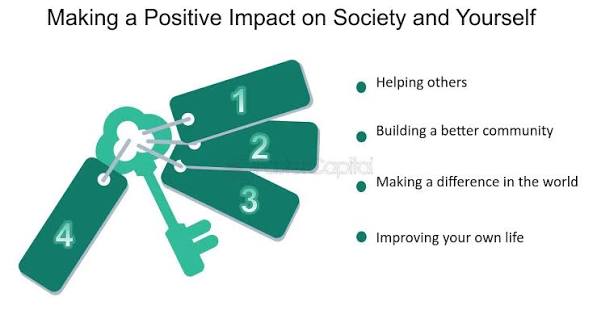
Strong communities are built when people feel heard, supported, valued, and connected to one another. Organizations of all sizes have an important role to play in creating Zeal TN, Inc these connections. Businesses, nonprofits, schools, community groups, and other organizations can use their resources, knowledge, and networks to address local needs and encourage people to work together. By focusing on meaningful relationships rather than short-term activities, organizations can help create communities that are more inclusive, resilient, and supportive.
Understanding how organizations can make a positive impact in the community begins with recognizing that every community has different needs. A successful approach starts with listening to residents, understanding local challenges, and creating opportunities for people to participate in solutions.
Listen to Community Needs
One of the most effective ways organizations can strengthen communities is by listening carefully to the people who live and work there. Organizations should avoid assuming they already know what a community needs. Instead, they can conduct surveys, hold community meetings, speak with local leaders, and create open channels for feedback.
Give People a Voice
When residents are invited to share their opinions, they are more likely to feel respected and involved. Organizations can create advisory groups, public discussions, online feedback forms, or neighborhood meetings where people can explain their concerns and ideas.
Listening also helps organizations identify issues that may otherwise be overlooked. Whether the concern involves education, employment, public spaces, environmental issues, or access to essential services, understanding the problem is the first step toward creating a useful solution.
Support Local Initiatives
Organizations do not always need to create their own community programs. Supporting existing local initiatives can be just as valuable. Many community groups already understand local challenges and have strong relationships with residents.
Partner With Community Groups
Businesses and organizations can provide funding, volunteers, equipment, expertise, or promotional support to local nonprofits and community projects. Partnerships allow organizations to combine their resources and reach more people.
For example, a company could support a neighborhood cleanup organized by residents, sponsor educational programs at a local school, or provide resources to a nonprofit working with families. These partnerships can create long-term relationships while helping existing programs become more effective.
Create Opportunities for Volunteering
Volunteering brings people together around shared goals. Organizations can encourage employees, members, and community participants to contribute their time and skills to meaningful projects.
Make Volunteering Accessible
Not everyone has the same amount of free time, so organizations should provide flexible opportunities. Short volunteer events, weekend projects, skill-based volunteering, and group activities can make participation easier.
Volunteer programs can also help people develop new skills while building relationships. When individuals work together toward a common objective, they often develop stronger connections and a greater sense of belonging.
Invest in Education and Skill Development
Education is one of the strongest foundations for a connected and successful community. Organizations can contribute by creating learning opportunities for children, young people, adults, and professionals.
Provide Useful Learning Programs
Workshops, mentoring programs, scholarships, career training, technology classes, and educational events can help community members gain valuable knowledge. Organizations can also collaborate with schools and training centers to provide resources that may not otherwise be available.
Skill development benefits the wider community because individuals with better access to education and training may have greater opportunities to contribute to local economic and social development.
Encourage Inclusive Community Participation
A strong community should give people from different backgrounds and experiences opportunities to participate. Organizations can promote inclusion by ensuring their programs, events, and communication methods are welcoming and accessible.
Build Spaces for Connection
Community events can provide opportunities for people to meet, communicate, and develop relationships. Organizations can organize cultural activities, workshops, sports events, environmental projects, family activities, and public discussions.
The goal is not simply to organize events but to create genuine opportunities for connection. When people interact regularly, they can build trust, understand different perspectives, and develop stronger relationships.
Use Resources Responsibly
Organizations often have resources that can make a significant difference in their communities. These may include financial resources, facilities, technology, employees, professional expertise, or communication networks.
Turn Resources Into Community Benefits
A business could allow a community group to use its meeting space, donate useful equipment, offer professional advice, or provide employees with paid volunteer time. Even relatively small contributions can become valuable when they are directed toward clearly identified community needs.
Organizations should also measure how their resources are being used. Tracking participation, outcomes, feedback, and long-term benefits can help ensure that community programs remain effective.
Promote Environmental Responsibility
Healthy communities depend on healthy environments. Organizations can contribute by supporting sustainability and encouraging environmentally responsible practices.
Take Action Locally
Community tree-planting activities, recycling programs, clean-up campaigns, energy-saving initiatives, and educational programs can encourage people to take greater responsibility for their surroundings.
Environmental projects can also strengthen community relationships because they give people a practical reason to work together. A shared project, such as improving a park or cleaning a neighborhood area, can create both environmental and social benefits.
Communicate Consistently
Strong community relationships require consistent communication. Organizations should keep residents informed about programs, opportunities, progress, and results.
Be Transparent and Open
Clear communication helps build trust. Organizations should explain what they are trying to accomplish, how resources are being used, and what outcomes have been achieved. They should also be willing to acknowledge challenges and listen to criticism.
Social media, newsletters, community meetings, websites, and local events can all be used to maintain communication. The most important factor is consistency and honesty.
Measure Long-Term Impact
Community improvement does not happen overnight. Organizations should focus on long-term outcomes rather than treating community engagement as a one-time campaign.
Learn and Improve
Organizations can collect feedback from participants and community partners to understand what is working and what needs improvement. Measuring participation, satisfaction, educational outcomes, environmental improvements, and other relevant results can provide useful evidence.
Regular evaluation allows organizations to adjust their programs and make better decisions. It also demonstrates to community members that their contributions and opinions matter.
Build Lasting Partnerships
The strongest community initiatives are often built through cooperation. Organizations can work with residents, schools, nonprofits, local businesses, government agencies, and other community groups to achieve shared goals.
Work Toward Shared Goals
Partnerships can bring different skills, perspectives, and resources together. Instead of working independently, organizations can identify common priorities and develop projects that benefit a wider group of people.
Building these relationships takes time, but consistent collaboration can create a strong network of community support. Over time, these networks can help communities respond more effectively to challenges and opportunities.
Conclusion
Organizations have many ways to help create stronger and more connected communities. Listening to local needs, supporting community initiatives, encouraging volunteering, investing in education, promoting inclusion, using resources responsibly, protecting the environment, communicating openly, and building lasting partnerships can all contribute to meaningful change.
Understanding how organizations can make a positive impact in the community means looking beyond short-term activities and focusing on relationships, participation, and sustainable results. When organizations work alongside community members instead of simply working for them, they can help create an environment where people feel valued and empowered. Through consistent collaboration and responsible action, organizations can become important partners in building communities that are more connected, resilient, and prepared for the future.