
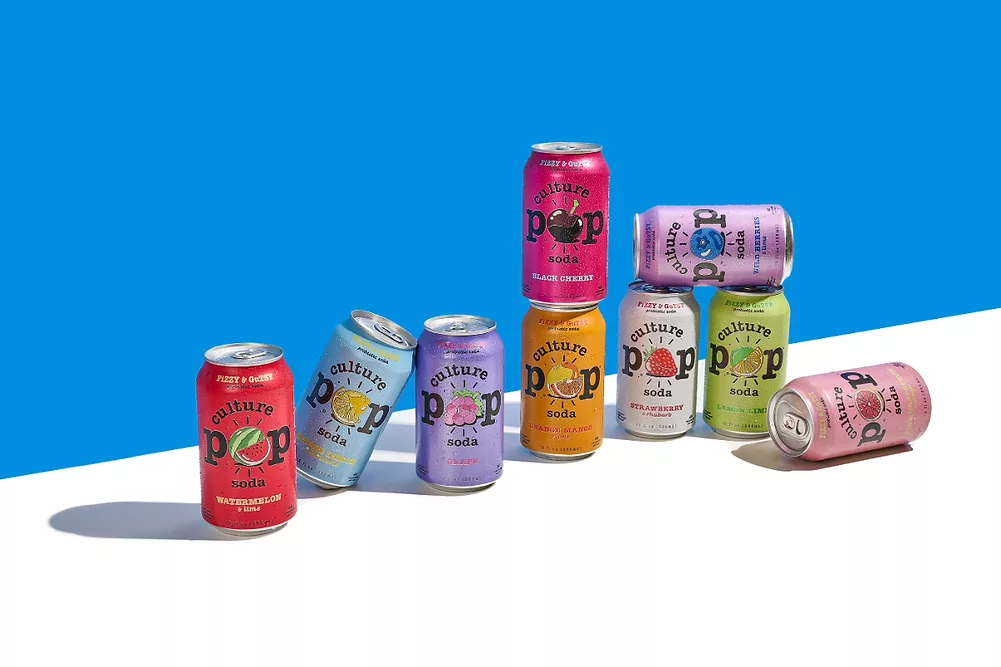
The Meaning and Evolution of Beverage Culture
Beverage culture refers to the shared traditions, habits, and social meanings surrounding what people drink in different parts of the world. From morning tea rituals in Asia to evening wine traditions in Europe and modern café lifestyles in urban cities, beverage culture reflects identity, history, and lifestyle. Every society has developed unique drinking practices shaped by geography, agriculture, religion, and social interaction.
Over time, beverage culture has evolved beyond necessity into an experience. What once began as simple hydration has transformed into a global expression of hospitality, celebration, and creativity. Today, beverage culture is influenced not only by tradition but also by globalization, technology, and health trends.
Traditional Beverage Culture Across Continents
Asia’s Deep-Rooted Tea Heritage
In Asia, beverage culture is strongly tied to tea. Countries like China, Japan, India, and Sri Lanka have centuries-old tea traditions that are still alive today. In China, tea ceremonies emphasize mindfulness, respect, and harmony. The preparation and serving of tea are considered an art form rather than a simple act of drinking.
In Japan, matcha tea ceremonies follow a strict ritual that reflects Zen philosophy. Every movement, from whisking the tea to serving it, is performed with precision and calmness. India, on the other hand, is known for its chai culture. Spiced tea brewed with milk, sugar, and aromatic spices is an everyday essential across households and street stalls.
Europe’s Wine and Coffee Legacy
European beverage culture is deeply connected to wine and coffee. Countries like France, Italy, and Spain have long histories of winemaking, where wine is not just a drink but a symbol of heritage, dining etiquette, and celebration. Wine tasting, vineyard tours, and food pairings are essential parts of European lifestyle.
Coffee culture is equally strong in Europe. In Italy, espresso is a quick, strong ritual often enjoyed standing at a bar. In Austria, coffee houses are social institutions where people gather for long conversations and intellectual discussions. These traditions highlight how beverage culture in Europe is both social and sophisticated.
Africa and the Middle East’s Hospitality Drinks
In Africa and the Middle East, beverage culture is closely tied to hospitality. In Ethiopia, coffee ceremonies are an important social ritual that can last for hours, symbolizing friendship and respect. Freshly roasted coffee beans are brewed in front of guests and served in small cups.
In the Middle East, beverages like Arabic coffee and mint tea are essential elements of welcoming guests. These drinks are often flavored with spices such as cardamom or saffron, reflecting the region’s rich culinary heritage. Serving beverages is a gesture of generosity and cultural pride.
Modern Beverage Culture in a Globalized World
Rise of Café and Coffee Shop Lifestyle
Modern beverage culture has been heavily influenced by the global rise of coffee shops and cafés. Cities around the world now feature specialty coffee shops offering artisanal drinks, cold brews, and experimental flavors. Coffee is no longer just a morning necessity but a lifestyle choice.
Social media has also played a major role in shaping beverage culture. Drinks that are visually appealing often go viral, encouraging creativity in presentation and flavor combinations. This has led to the popularity of colorful lattes, bubble tea, and seasonal specialty drinks.
Health-Conscious Beverage Trends
Health awareness has significantly transformed beverage culture. People are now more conscious of sugar intake, artificial ingredients, and caffeine levels. As a result, herbal teas, detox drinks, plant-based milks, and natural juices have gained popularity.
Functional beverages that claim to improve energy, digestion, or immunity are also trending. Ingredients like turmeric, ginger, matcha, and kombucha have become common in modern diets. This shift shows how beverage culture is adapting to wellness-focused lifestyles.
The Influence of Technology and Innovation
Technology has also reshaped beverage culture in unexpected ways. Smart coffee machines, mobile ordering apps, and subscription drink services have made beverage consumption more personalized and convenient. Even home brewing has become more advanced, allowing people to recreate café-style drinks at home.
In addition, innovation in flavor science has introduced unique combinations such as nitrogen-infused coffee, sparkling teas, and hybrid drinks that blend multiple traditions. These innovations highlight how beverage culture continues to evolve with modern creativity.
Social and Emotional Role of Beverage Culture
Drinks as a Medium of Connection
Beverages are more than just consumables; they are social tools that bring people together. Sharing a cup of tea, coffee, or wine often creates moments of connection, conversation, and bonding. Across cultures, inviting someone for a drink is a universal gesture of friendship and trust.
In workplaces, coffee breaks encourage collaboration and relaxation. In homes, shared drinks create warmth and hospitality. This social dimension is a core part of beverage culture worldwide.
Emotional Comfort and Rituals
Beverage culture also plays a strong emotional role. Many people associate specific drinks with comfort, memory, or routine. A morning coffee can symbolize productivity and focus, while evening tea may represent relaxation and reflection.
These rituals create structure in daily life. They offer emotional stability and familiarity, making beverages an important part of personal identity and lifestyle habits.
Regional Innovations Shaping Beverage Culture
Asia’s Bubble Tea Revolution
One of the most influential modern developments in beverage culture is bubble tea, which originated in Taiwan. This drink, made with tea, milk, sugar, and chewy tapioca pearls, has become a global phenomenon. Its popularity reflects how traditional tea culture can merge with modern creativity.
Latin America’s Bold Flavors
In Latin America, beverage culture is defined by strong and vibrant flavors. Drinks like mate in Argentina, fresh fruit juices in Brazil, and coffee in Colombia highlight the region’s agricultural richness. These beverages are deeply tied to social life and daily routines.
North America’s Experimental Drink Scene
In North America, beverage culture is highly experimental. Cold brew coffee, craft sodas, flavored sparkling waters, and energy drinks dominate the market. Consumers are drawn to novelty, customization, and convenience, making the region a leader in beverage innovation.
The Future of Beverage Culture
The future of beverage culture is likely to be shaped by sustainability, personalization, and global fusion. Eco-friendly packaging, plant-based ingredients, and ethically sourced products are becoming increasingly important. Consumers are more aware of environmental impact and demand responsible production practices.
At the same time, personalization will continue to grow. People want drinks tailored to their taste, health needs, and lifestyle preferences. Artificial intelligence and data-driven customization may soon allow beverages to be designed for individual consumers in real time.
Global fusion will also define the next phase of beverage culture. Traditional drinks from different regions will continue to blend, creating new hybrid beverages that reflect a connected world. This cultural exchange will keep beverage culture dynamic and constantly evolving.
Conclusion: A World United by Beverage Culture
Beverage culture is a powerful reflection of human life, blending tradition, innovation, and social connection. From ancient tea ceremonies to modern café trends, beverages tell the story of how people live, interact, and evolve. Despite cultural differences, the shared love for drinks unites people across the globe.
As beverage culture continues to grow and change, it will remain an essential part of daily life, shaping experiences, memories, and relationships in every corner of the world.